
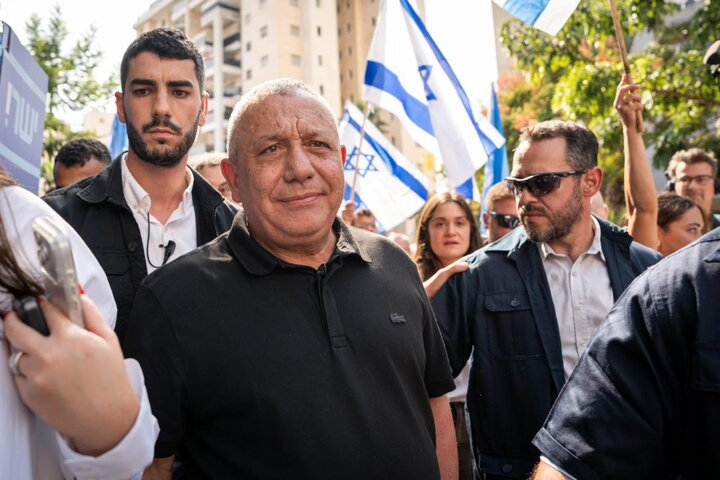
以色列總統赫爾佐格(Isaac Herzog)上周四(5日)完成與各黨派的馬拉松式諮商後宣布,將於周日(8日)點名有權組閣的人選,此前反對派領袖艾森科特(Gadi Eisenkot)獲得67名議員推薦,現任總理納坦雅胡(Benjamin Netanyahu)則僅獲46票支持。
Israeli President Isaac Herzog must decide whether to give current PM Netanyahu or Israeli politician Gadi Eisenkot the first chance to form a government after an inconclusive election, with neither side holding a clear majority. Here's what we know https://t.co/LpYoOKzSqR https://t.co/Aunoal2TDZ
— Al Jazeera English (@AJEnglish) November 7, 2026
綜合《半島電視》(Al Jazeera)與《紐約時報》(The New York Times)報導,赫爾佐格在電視談話中表示,「磋商結果或許看似明確」,但「各陣營之間及陣營內部存在相互否決」,因此難以判斷誰最有機會組建執政聯盟。他說,將在以色列上周末(6日至7日)與部分政黨領袖進行「個人會談」,並於周日作出決定。他還強調,將「翻遍每一塊石頭」,力求建立「穩定而良好的政府,造福以色列人民」。
上月(10月)27日大選後,以色列120席國會(Knesset)沒有任何一方取得明確多數。納坦雅胡領導的利庫德黨(Likud)以27席成為單一最大黨,但其更廣泛的宗教民族主義聯盟總共僅獲53席;艾森科特領導的四黨猶太陣營(橫跨中左至右翼)共獲48席;代表巴勒斯坦裔少數族群的兩個政黨則史無前例地拿下19席。
艾森科特與納坦雅胡皆排除與阿拉伯裔政黨共同組閣,但聯合名單(Joint List)與拉阿姆黨(Ra’am)仍推薦艾森科特,使其獲得國會多數支持。聯合名單資深成員蒂比(Ahmad Tibi)向美聯社表示:「我們想做過去沒做過的事,以除掉這個犯罪政府」。艾森科特的雅沙爾黨(Yashar)指出,67票是2015年以來任何候選人獲得的最多推薦,並敦促赫爾佐格「儘快」授予其組閣權,以便組成全國緊急政府。
📌🇮🇱 Bibi's political fortress is crumbling : Is Lt. Gen. Gadi Eisenkot moving towards Israel's premiership ? Israel's Prime Minister Benjamin Netanyahu's grip on Israeli politics is facing an extraordinary parliamentary challenge. Former IDF Chief of Staff Lt. General Gadi Eisenkot has secured recommendations from 67 lawmakers, against 46 for Netanyahu. The October 27 election has exposed a fractured right-religious coalition and opened an unprecedented contest over who will govern Israel next. November 8 could become a defining moment. President Isaac Herzog is preparing to designate the candidate tasked with forming the next government. But the real drama lies beyond the presidential mandate: can Eisenkot convert his parliamentary endorsements into a functioning coalition? The political chessboard is far more complicated than the numbers suggest. The 19 Arab lawmakers have emerged as pivotal kingmakers, yet their potential support confronts ideological resistance within the opposition itself. Avigdor Lieberman's changing position on ultra-Orthodox participation, UTJ's estrangement from Netanyahu and the unresolved Haredi military conscription question have introduced another layer of coalition realpolitik. Netanyahu's predicament is no longer simply electoral. It is about the erosion of his parliamentary leverage and whether his opponents can sustain an alternative government. But what would a Netanyahu departure actually mean beyond Jerusalem ? Could it recalibrate Israel's relationship with Washington, alter the political calculations surrounding Gaza, reshape its strategic posture towards Iran and reopen diplomatic possibilities across the region ? Or would an Eisenkot government preserve much of Netanyahu's security doctrine while changing the political leadership ? These are the larger questions surrounding Israel's unfolding leadership transition. 67 recommendations have changed the political equation. November 8 could determine who gets the first opportunity to rewrite it. 🔘 My latest column examines General Eisenkot's pathway to power, Netanyahu's diminishing coalition options, the Arab and Haredi kingmakers and the realpolitik shaping Israel's next Government 💻🖇️ https://t.co/S40J1ihX4U
— JahansherFirozeChoudhury (@Jahansher) November 6, 2026
納坦雅胡上周遭遇挫折,其長期盟友、極端正統派政黨「聯合托拉猶太教」(United Torah Judaism)因執政聯盟未能通過豁免極端正統派男性服兵役的立法,拒絕推薦任何人。艾森科特陣營民主黨成員奧本海默(Yariv Oppenheimer)告訴《半島電視》,他「沒有理由」認為赫爾佐格周日不會選擇艾森科特,並表示聯合托拉猶太教已暗示其支持「待價而沽」,若艾森科特開出足夠條件,可能補足所需席次,「非常清楚,納坦雅胡根本沒有機會組閣」。
赫爾佐格一旦授權,候選人將有28天組閣時間,最多可延長14天。在新聯盟成立前,納坦雅胡將以看守總理身分繼續執政;若無人成功組閣,則必須再次舉行選舉。
納坦雅胡面臨失去權力風險,已緊抓選舉官員對可能投票舞弊的調查,質疑結果並指控阿拉伯裔政黨「偷走選票」。以色列中央選舉委員會上周三(4日)表示,選舉完整性未受影響。委員會主席、最高法院法官索爾貝格(Noam Sohlberg)在赫爾佐格官邸呼籲民選官員保護公眾信任而非動搖它,「這是真正的危險。民主的基石之一是權力和平轉移」。他還指出,包括阿拉伯少數族群在內的高投票率是一件幸事。納坦雅胡極右翼盟友、國家安全部長本-格維爾(Itamar Ben-Gvir)則呼籲立即逮捕並審問阿拉伯政黨領袖。
🚨 ISRAEL ELECTION UPDATE: WHO WILL BREAK THEIR CAMPAIGN PROMISES? President Isaac Herzog has concluded consultations with Israel's political parties. Gadi Eisenkot received 67 recommendations, compared with 46 for Benjamin Netanyahu. But there is a major obstacle: During the election campaign, opposition leaders made commitments about who they would—and would not—govern with. Here is what they told voters: 🇮🇱 GADI EISENKOT — YASHAR ❌ Netanyahu: “I will not sit under Netanyahu, not even in a rotation.” ❌ Arab parties: Rejected including Ra'am in his government. ⚠️ Ultra-Orthodox parties: Campaigned against Haredi military-service exemptions but did not categorically exclude negotiations with Shas or United Torah Judaism. 🇮🇱 NAFTALI BENNETT & YAIR LAPID — B'YACHAD ❌ Netanyahu: Rejected serving under Netanyahu. ❌ Arab parties: Committed to a government relying exclusively on Zionist parties. ❌ Ultra-Orthodox parties: Bennett's campaign pledge also excluded reliance on Haredi parties. 🇮🇱 AVIGDOR LIBERMAN — YISRAEL BEYTENU ❌ Netanyahu: Refused to serve with him under any circumstances. ❌ Arab parties: Rejected both coalition membership and outside parliamentary support. ❌ Ultra-Orthodox parties: Declared during the campaign: “Without Ra'am, without the Joint List, without Shas and without United Torah Judaism.” However, since the election, Liberman has indicated he could cooperate with Haredi parties if they accept his principles, including military conscription. 🇮🇱 YAIR GOLAN — THE DEMOCRATS ❌ Netanyahu: Rejected Netanyahu and Likud. ✅ Arab parties: Openly supports cooperation with Arab parties, including Ra'am. ⚠️ Ultra-Orthodox parties: Opposed Haredi draft exemptions, but did not make a blanket refusal to sit with every Haredi party. NOW CONSIDER THE NUMBERS. The Jewish-led opposition parties secured only 48 seats, well short of the 61 required for a parliamentary majority. Eisenkot reached 67 recommendations through the support of Arab parties that several opposition leaders explicitly rejected as coalition partners. Meanwhile, negotiations with ultra-Orthodox parties—another group targeted by campaign red lines—have not been ruled out. And a unity government with Netanyahu would contradict the opposition leaders' central election commitment. Herzog intends to assign the mandate to form a government on Sunday. The question is no longer simply who received the most recommendations. It is whether Israel's political leaders can assemble a parliamentary majority while keeping the commitments they made to voters. Which campaign promises will survive coalition negotiations?
— Mossadil Commentary (@MOSSADil) November 5, 2026
分析人士指出,若赫爾佐格選擇艾森科特,他可能需要尋求猶太陣營以外的支持,包括阿拉伯裔或極端正統派議員,或爭取利庫德黨成員;若授權給納坦雅胡,則需拉攏反對派。可能路徑包括艾森科特與阿拉伯政黨的少數政府安排(聯合名單表示不會入閣,但願意支持其下台納坦雅胡)、納坦雅胡與艾森科特的大聯合政府,或艾森科特爭取極端正統派支持並在兵役議題上妥協。以色列貝特努黨(Yisrael Beiteinu)領袖利伯曼(Avigdor Liberman)週五表示,在當前挑戰下,「國家利益必須高於一切考量」,暗示願在徵兵問題上展現彈性。
無論最終由誰組閣,未來數日各黨將進入密集談判,結果可能是組成政府,也可能陷入僵局並再次選舉。