
藍若思( Elizabeth Freund Larus )/美國太平洋論壇客座高級研究員、E Larus顧問公司創辦人
民主黨贏得了國會兩院的控制權,並宣稱獲得了推動國內與政策變革的民意授權。儘管民主黨取得了勝利,川普總統仍將保有美國外交政策與國防的主要主導權。美國憲法賦予由總統領導的行政部門在外交事務和國家安全方面的重大權力。目前的趨勢是,他將繼續推行現行的外交政策議程,而民主黨則會試圖挑戰或阻撓他的各項舉措。
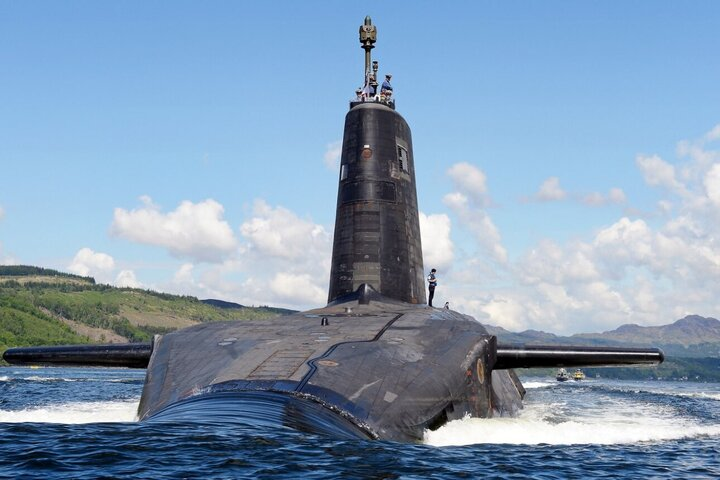
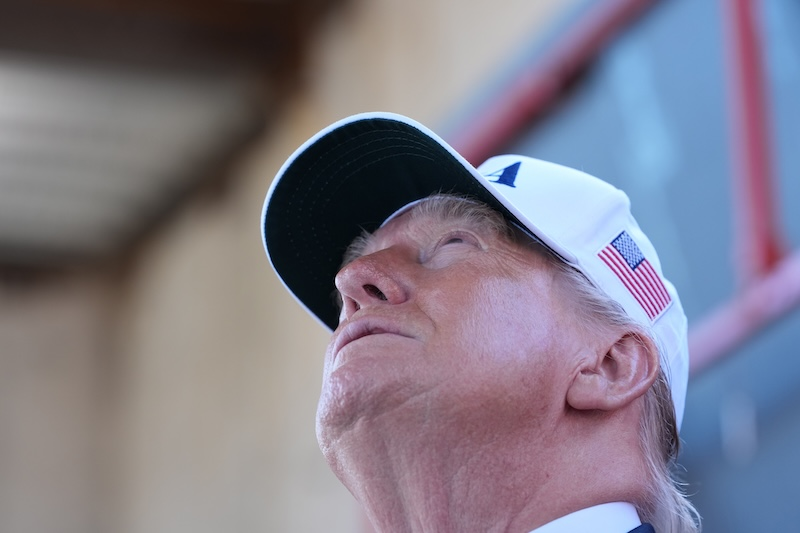
週三,川普顯得因選舉結果而明顯動搖。他聲音沙啞且缺乏活力,刻意避談選舉結果,轉而向大家更新白廳宴會廳的建設進度。然而,一旦度過最初的震驚,川普極有可能重新恢復對伊朗的軍事打擊。他在這場與伊朗的戰爭中賭上了自己的政治遺產以及共和黨對國會的控制權,因此很可能會繼續貫徹其削弱德黑蘭政權的努力。期中選舉前的民調顯示,大多數美國人(無論是民主黨人還是共和黨人)都反對這場戰爭。儘管民調支持率低迷且其自身施政滿意度僅為39%,川普依然在10月進一步擴大了美國在中東的軍事存在,並為海軍武裝艦艇配備了一系列武器和攔截系統,以應對伊朗可能採取的更多報復行動。他曾多次公開表示,他會等到期中選舉過後再恢復打擊,以便給外交手段一次機會。美國副總統范斯曾致信伊朗最高國家安全委員會秘書雷扎伊(Mohsen Rezaei)尋求外交解決方案,但截至本文撰寫時,此舉似乎未能取得實質進展。
儘管外交政策在很大程度上屬於行政部門和總統的職權範疇,但國會仍有幾項工具可以限制總統的權力。首先,民主黨人可能會透過援引《戰爭權力法》(War Powers Act)迫使川普從伊朗衝突中撤軍。該法案規定,若總統在未經國會諮商的情況下將軍隊投入敵對行動,必須在60天內終止行動(並可延長30天以安全撤軍)。川普在2月投入軍隊時並未與國會諮商。其次,民主黨控制的國會很可能會拒絕撥款以繼續這場戰爭。國會有權透過通過法案來停止戰爭資金,該法案將禁止在未經國會批准的情況下將納稅人的資金用於軍事行動。這項權力根植於憲法,憲法賦予了國會控制軍事撥款和宣戰的權力。
在另一項將影響川普外交政策與國家安全的舉措中,預計眾議院民主黨人將對美國國防部長·赫格塞斯(Pete Hegseth)提出彈劾指控。很可能成為下一任眾議院議長的眾議員傑弗里斯(Hakeem Jeffries,紐約州民主黨籍)已經對赫格塞斯發出了警告,他在10月的一場競選集會上表示:「我們在成為多數黨後要做的第一件事,就是把皮特·赫格塞斯趕出城。」眾議院民主黨人指責赫格塞斯涉嫌串通發動伊朗戰爭、炸毀涉嫌販毒者的速度快艇、排擠軍方高層,並對國會的監督嗤之以鼻。眾議院民主黨人曾在2026年4月提交過彈劾令,但在共和黨主導的眾議院下遭到失敗。預計眾議院民主黨人將在 2027年1月3日宣誓就職後重新發起這項努力。彈劾需要眾議院簡單多數票(218票)通過;而定罪則需要參議院67票支持。儘管參議院的民主黨多數席次尚未達到定罪所需的人數,但彈劾的嘗試將會分散美國軍事行動和川普外交政策的注意力。
許多國會共和黨人和民主黨人都希望川普支持烏克蘭防禦俄羅斯的軍事侵略。國會民主黨人將試圖透過利用必須通過的立法——例如《國防授權法》(National Defense Authorization Act,或國防預算案)——來影響川普的烏克蘭和俄羅斯政策,以迫使川普支持烏克蘭和歐洲的防禦。川普不太可能轉而反對普丁去支持烏克蘭。
預計國會與川普之間將針對人工智慧(AI)或稱「超級智能(Superintelligence)」展開廣泛辯論。川普一直在推動AI的發展,並強調美國保持AI技術領導地位的必要性。川普及其在AI產業的支持者認為,保持美國在人工智慧領域對中國的優勢至關重要,並聲稱「誰贏得了AI,誰就贏得了世界」。許多美國人對此並不認同,他們不希望在自己的社區中建造數據中心、發電廠以及相關的輸電線路。選前民調顯示,全美各地的數據中心擴建是期中選舉中的一個關鍵議題,受訪者對數據中心表示不滿。預計川普將繼續推進AI和數據中心的部署,在面臨國會抵制時,他甚至可能會動用行政命令。
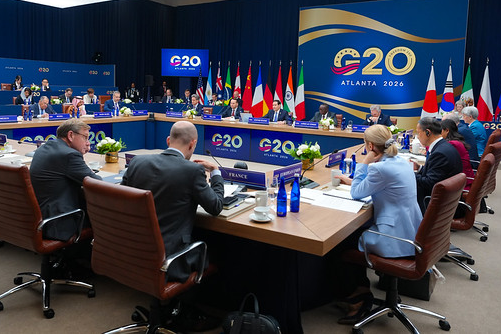
美國對中國、台灣和拉丁美洲的外交政策將基本保持不變。儘管川普可能會有所動搖,但國會仍將致力於履行《台灣關係法》(TRA)和「六項保證」。川普可能會將價值140億美元的對台軍售方案推遲到亞太經濟合作會議(APEC)和二十國集團(G20)峰會之後交付,因為他很可能會在這些會議上與習近平會面。在2027年春季之前,他不太可能簽字批准交付,但國會將試圖迫使他這樣做。
美國對以色列的外交政策正在迅速轉變。川普剛剛宣布,美國將取消每年對以色列高達40億美元的軍事援助。川普曾與以色列總理納坦雅胡討論過在未來幾年內逐步減少並最終停止援助,但他卻在11月4日宣布美國將在今年年底切斷援助。美國對以色列的支持正處於動盪。美國民眾對以色列的支持度正在下降;僅有13%的民主黨人支持以色列,創下歷史新低。美國猶太人歷史上多傾向投給民主黨,因此以色列失去民主黨人的支持是相當顯著的現象。隨著選民對以色列的支持煙消雲散,不支持以色列的眾議員和參議員人數也隨之增加。
川普和納坦雅胡在伊朗問題上正走向決裂。納坦雅胡曾極力施壓要求促成伊朗政權更迭,進而將川普拖入了一場目前難以收場的戰爭。川普在2027年和2028年對以色列的態度將會忽冷忽熱,雖然在情報共享方面會繼續合作,但對以色列的批評將日益增加,特別是如果伊朗戰爭在2027年未能平息的話。
[專文原稿]
Effect of U.S. Midterm Election Results on U.S. Foreign Policy
Elizabeth Freund Larus, Ph.D.
Adjunct Senior Fellow, Pacific Forum
Founder, E Larus Consulting
The Democratic party gained control of both houses of Congress, claiming a mandate to affect domestic and policy changes. Despite the Democratic victory, President Trump will retain primary responsibility for U.S. foreign policy and national defense. The U.S. Constitution grants the executive branch, led by the president, significant authority over foreign affairs and national security. Odds are that he will continue pursuing his current foreign policy agenda, while Democrats will seek to challenge or obstruct his initiatives.
On Wednesday, Trump appeared notably shaken by the election results. With a horse voice and one that lacked vigor, Trump avoided talking about the election results and instead gave an update on construction of the White Hall ballroom. Once over the initial shock, however, Trump is more likely than not likely to resume military strikes against Iran. He risked his legacy and Republican control of Congress on the war with Iran and is likely to follow through on his efforts to weaken the regime in Tehran. Polls taken before the midterms indicated that the majority of Americans, both Democrat and Republican, oppose the war. Despite the polls and his own low job approval rating (39%), Trump in October further built up the U.S. military presence in the Middle East, and armed naval vessels with a range of weapons and interceptors in preparation for more Iranian retaliation. He publicly stated several times that he would wait until after the midterms to resume strikes, allowing diplomacy another chance. U.S. Vice President J.D. Vance wrote a letter to Mohsen Rezaei, secretary of Iran’s Supreme National Security Council, seeking a diplomatic solution, but as of the time of writing, did not appear to move the needle.
Although foreign policy is largely the purview of the executive/president, Congress has a couple of tools to limit presidential power. First, Democrats might force Trump to withdraw troops from the Iran conflict by invoking the War Powers Act. The Act requires the President to terminate within 60 days, with a possible additional 30 days to withdraw safely, troops that have been committed to hostilities without Congressional consultation. Trump committed troops in February without consulting Congress. Second, the Democratic Congress is likely to refuse to appropriate funds to continue the war. Congress has the authority to stop funding a war by passing legislation that prohibits the use of taxpayer funds for military operations without its approval. This power is rooted in the Constitution, which grants Congress the authority to control military funding and declare war.
In another move that would affect Trump’s foreign policy and national security, expect House Democrats to bring charges of impeachment against U.S. Secretary of Defense Pete Hegseth. Rep. Hakeem Jeffries (D-NY), likely the next House Speaker, has already put Hegseth on notice, stating at a campaign rally in October that “One of the first things we’re going to do in the majority, we’re going to run Pete Hegseth out of town.” House Democrats fault Hegseth’s complicity in launching the Iran war, blowing up speedboats of suspected drug traffickers, pushing out military brass, and thumbing his nose at congressional oversight. House Democrats filed orders of impeachment in April 2026, but the effort failed under a GOP House. Expect House Democrats to renew their efforts after their inauguration on January 3, 2027. Impeachment requires a simple majority vote (218) in the House; conviction requires 67 Senate votes. Although the Democratic Senate majority falls short of the number needed to convict, an attempt to impeach would be a distraction to U.S. military action and Trump’s foreign policy.
Many Congressional Republicans and Democrats want Trump to support Ukraine defense against Russian military aggression. Congressional Democrats will try to affect Trump’s Ukraine and Russia policy by leveraging must-pass legislation such as the National Defense Authorization Act (defense budget bill) force Trump’s hand to support the defense of Ukraine and Europe. Trump is not likely to turn against Putin in favor of Ukraine.
Expect an extensive debate between Congress and Trump on AI, or “Superintelligence.” Trump has promoted the development of AI, emphasizing the need for the U.S. to maintain leadership in AI technology. Trump and his supporters in the AI industry argue that maintaining America's edge in artificial intelligence over China is crucial, stating that "whoever wins AI wins." Many American disagree, and do not want data centers, their power stations, and associated transmission lines in their communities. Pre-election polls indicated that the data center buildout across America was a key issue in the midterm elections, with respondents expressing dissatisfaction with data centers. Expect Trump to continue to push the AI and data center rollout, perhaps using Executive Orders in the face of Congressional resistance.
U.S. foreign policy toward China, Taiwan, and Latin America will remain largely the same. Congress is committed to the TRA and Six Assurances even though Trump might waiver. Trump will likely delay delivery of the US$14 billion arms package to Taiwan until after the APEC and G20 meetings, where he is likely to meet Xi Jinping. He is not likely to sign off on delivery before spring 2027, but Congress will try to compel him to do so.
U.S. foreign policy toward Israel is rapidly changing. Trump just announced that the U.S. would be dropping US$4 billion in annual military aid to Israel. Trump had discussed with Israel Prime Minister Netanyahu a gradual decrease over years and then cessation of aid but announced on November 4 that the U.S. would cut off aid at the end of the year. U.S. support for Israel is in flux. Support for Israel among Americans is decreasing; only 13% of Democrats support Israel, an historic low. American Jews historically vote Democrat. Israel’s loss of Democrat support is remarkable. As support for Israel among the electorate is evaporating, the number of members of Congress and Senators who do not support Israel is subsequently increasing. Trump and Netanyahu are falling out over Iran. Netanyahu pressed hard for regime change in Iran, drawing the Trump into a war that he is having difficulty ending. Trump will be hot and cold toward Israel in 2027 and 2028, cooperating in intelligence sharing, but increasingly critical of Israel, especially if the Iran war fails to wind down in 2027.
※梅花新聞網與對外關係協會合作專案※
※專文由AI翻譯,內容與觀點不代表梅花新聞網及對外關係協會立場※